If you have noticed more strands in the shower drain, a wider part, or a ponytail that feels thinner than it used to, please know this first: you are not alone, and it is not your fault. So many women quietly watch their hair change after having a baby, during a stressful season, with shifting hormones, or simply with time. It can feel deeply personal, and a little lonely. This guide is here to help you care for your hair gently and realistically, without shame and without false promises.
A good hair oil for thinning hair will not work miracles overnight, and anyone who tells you otherwise is not being honest with you. What a thoughtful botanical oil can do is support a clean, comfortable scalp and condition your strands so your hair looks fuller, feels softer, and reflects more light. That alone can make a real difference in how your hair appears and how you feel about it.
Quick answer
The best hair oil for thinning hair is a lightweight, multi-botanical blend you can apply to the scalp a few times a week. Look for rosemary (loved for the look of fuller hair and a fresh scalp), castor (rich conditioning), and complementary oils like black seed, fenugreek, argan, and hibiscus. Pair it with gentle scalp massage and consistency. Oils support the appearance and feel of your hair; they are not a medical treatment. For sudden or significant shedding, see a doctor.
What "thinning hair" actually looks and feels like
Thinning is usually something you notice gradually. The change is often in how your hair looks and behaves rather than one dramatic moment. Common signs women describe include:
- A part line that looks a little wider than before
- A ponytail or bun that feels smaller when you wrap the tie
- More strands on your pillow, brush, or shower floor
- Baby hairs and shorter regrowth around the hairline
- Fine, fragile strands that break or feel limp and flat
Naming what you see can take some of the anxiety out of it. None of these signs mean you have done something wrong. They are simply cues to slow down, be kind to your scalp and strands, and build a gentle routine you can actually keep.
Gentle, non-medical reasons hair can look thinner
Hair appearance shifts for many everyday reasons. We are talking here about the look and feel of fuller or finer hair, not diagnosing any condition. A few common, normal-life factors:
- Postpartum shedding: after pregnancy, many women notice a wave of shedding as hair returns to its usual rhythm. It is incredibly common and often temporary.
- Stress and big life seasons: demanding months can show up in how your hair looks and feels.
- Hormonal changes: cycles, postpartum, and perimenopause can all change hair texture and density appearance.
- Heat and tension: tight styles, daily heat tools, and harsh brushing can make strands break and look thinner.
- Dry or unbalanced scalp: a flaky, tight, or product-clogged scalp is not the best foundation for hair that looks its fullest.
- Time and genetics: hair naturally changes through the years, and that is okay.
An honest note
Botanical oils care for the scalp environment and the look and feel of your strands. They do not cure, treat, or change anything happening inside the body. If your shedding is sudden, patchy, or significant, please treat that as a reason to talk with a professional, not to buy another product.
How hair oils help the appearance of thinning hair
Think of a botanical oil as scalp-and-strand skincare rather than a quick fix. Here is what a well-made oil can realistically do for the look and feel of thinner hair:
- Comfort the scalp: a calmer, less dry scalp is simply a nicer place for hair to grow and be styled.
- Condition and smooth strands: hydrated strands lie better, tangle less, and break less from handling.
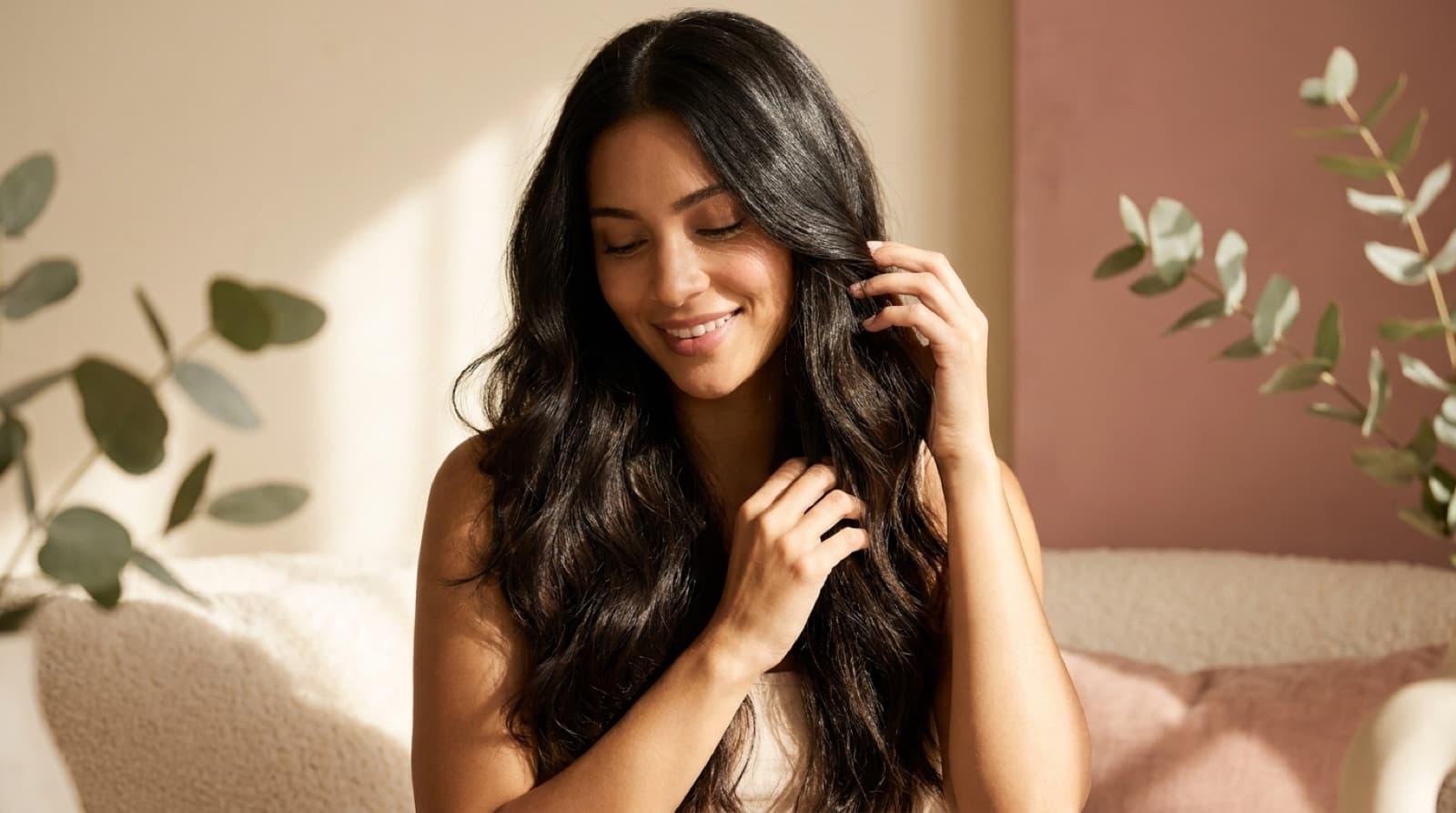
- Add shine and body: light-reflecting, conditioned hair reads as fuller and healthier to the eye.
- Make styling gentler: softer, more flexible strands need less heat and less force, which means less breakage.
- Build a ritual: the few minutes you spend massaging oil in encourage gentle handling and consistency.
That is the honest promise: not regrowth, but a scalp that feels cared for and hair that looks and feels its best. For the rosemary-specific steps, see our guide on how to use rosemary oil for hair growth.
The best oils for thinning hair, compared
No single oil is magic, which is exactly why a thoughtful blend tends to outperform any one ingredient on its own. Here is how the most popular natural oils for thinning hair compare, including what each is best for.
| Oil | Texture / weight | Loved for | Best for |
|---|---|---|---|
| Rosemary | Light | Fresh, awake scalp feel and the look of fuller hair | Fine, thinning hair and oily-prone scalps |
| Castor | Thick, rich | Deep conditioning and a glossy, coated finish | Dry, brittle strands and edges that need TLC |
| Black seed (Nigella) | Medium | Soothed, comfortable scalp feel | Sensitive or easily irritated scalps |
| Fenugreek | Medium | Softness, slip, and conditioned strands | Coarse or dry thinning hair that tangles |
| Argan | Light to medium | Shine, smoothness, and frizz control | Fine hair wanting body without heaviness |
| Hibiscus | Light | Silky feel and a healthy-looking finish | Flat, limp hair that needs a little life |
For fine, thinning hair, lighter oils like rosemary, argan, and hibiscus are your everyday friends because they condition without weighing strands down. Richer oils like castor are wonderful in smaller amounts, focused on dry ends and edges. If you want a deeper look at one heavyweight, read our guide to castor oil for hair.
Why a blend beats a single oil
Each oil brings something different: rosemary for that fresh, full look, castor for conditioning, black seed for a calm scalp, fenugreek and hibiscus for softness and slip, argan for lightweight shine. Together, they cover more bases than any one oil alone, which is why a balanced multi-botanical blend is often the simplest, smartest choice for thinning hair.
A simple routine for fuller-looking hair
Consistency matters far more than intensity. A short routine you actually do beats an elaborate one you abandon. Here is a gentle, repeatable approach:
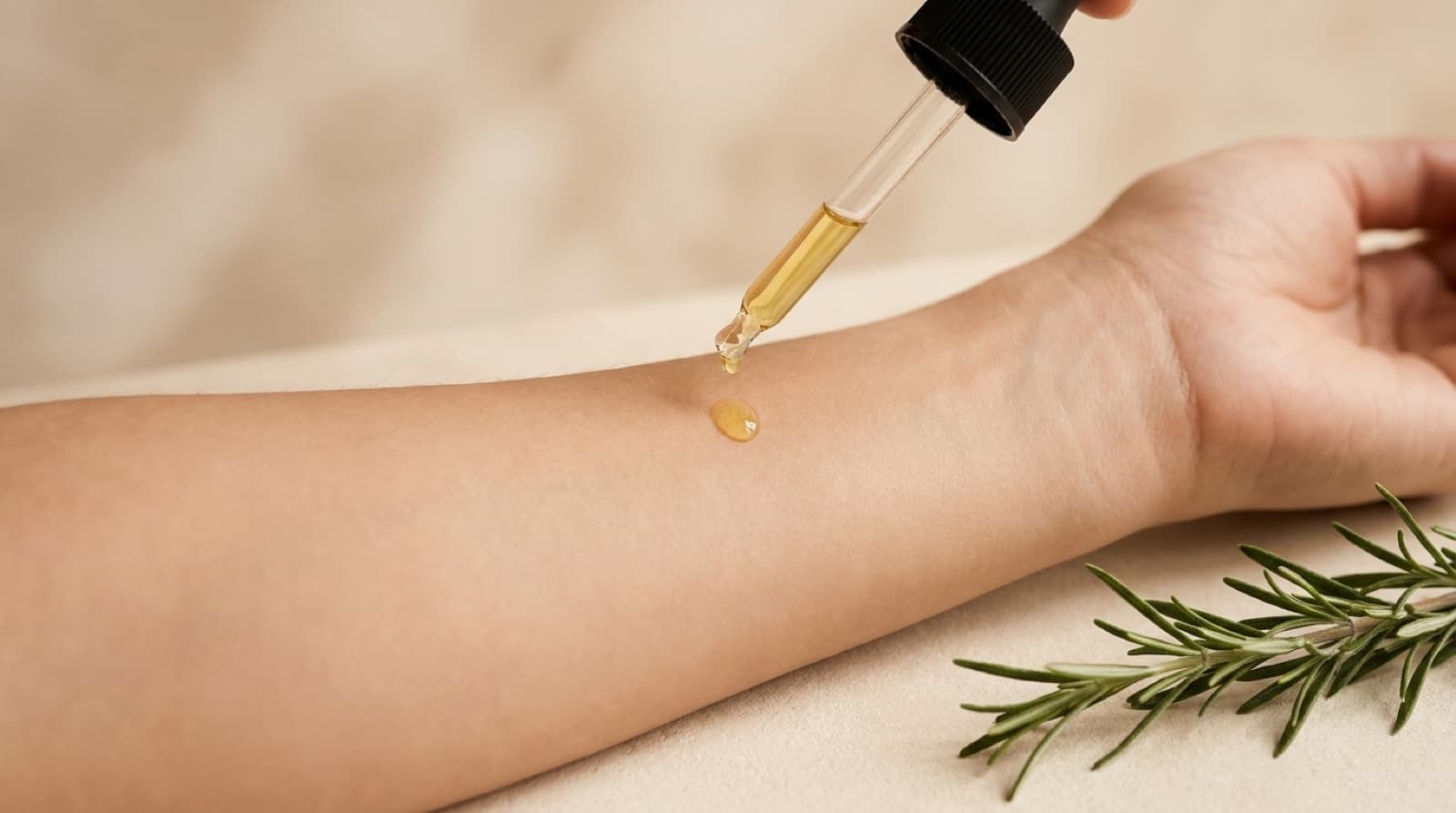
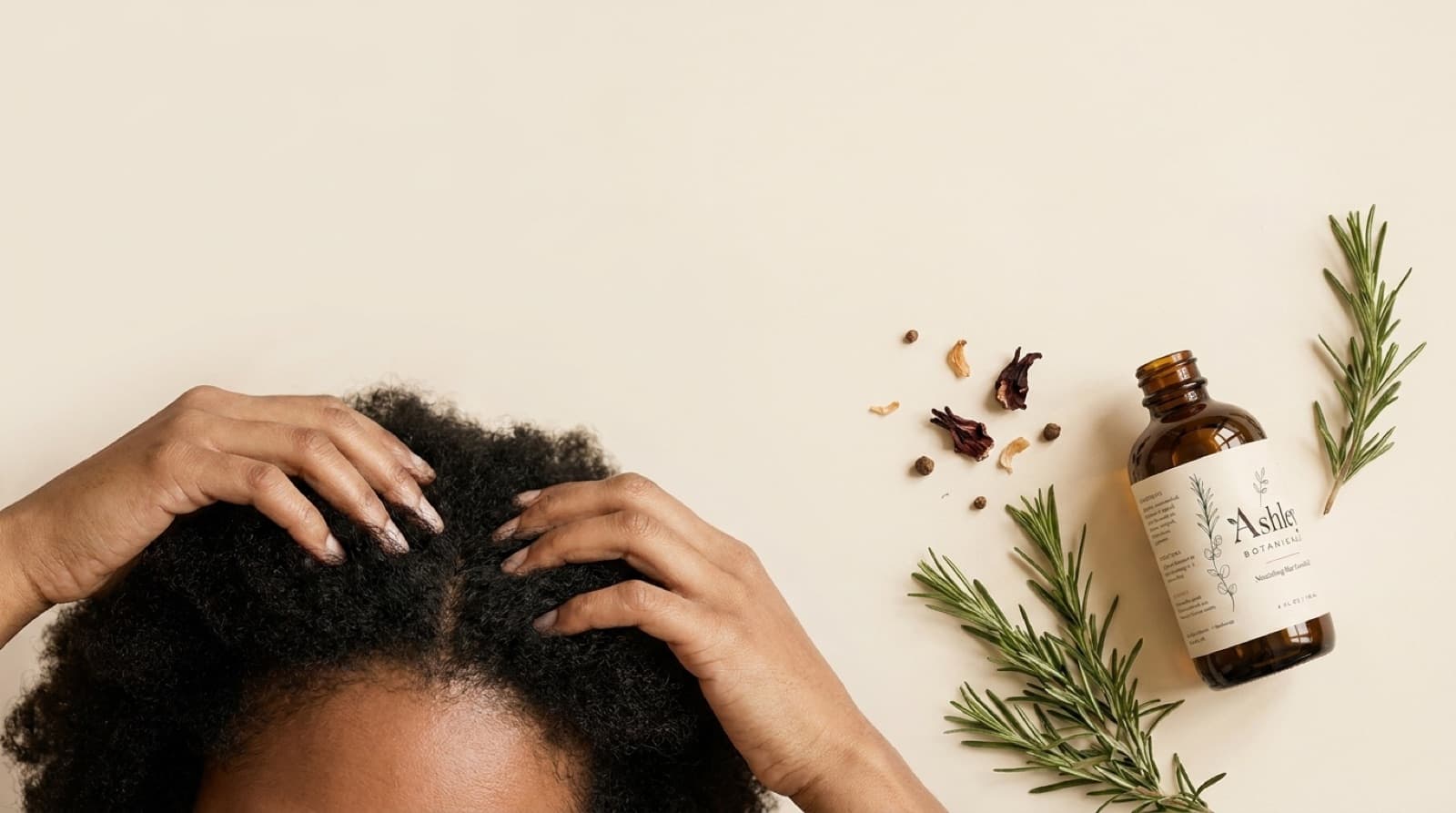
- Start small: apply a few drops of oil directly to your scalp, focusing on the part line and any areas that look thinner.
- Massage gently: use your fingertips (not nails) in slow circles for 3 to 5 minutes to spread the oil and enjoy the ritual.
- Smooth the ends: glide whatever oil is left on your fingers through your mid-lengths and ends to condition and reduce breakage.
- Let it sit: leave it on for 30 minutes to a few hours, or overnight on a silk pillowcase if your hair tolerates it.
- Wash gently: cleanse with a mild shampoo, using lukewarm water and a soft touch.
- Repeat 2 to 3 times a week: give it at least 8 to 12 weeks of consistency before you judge the look and feel.
The kindest thing you can do for thinning hair is to handle it gently and show up for it consistently. Small, steady care adds up.
That massage step is doing more than spreading oil. Learn the technique in our guide to scalp massage for hair growth.
Lifestyle habits that protect fragile strands
Oils work best alongside everyday gentleness. None of these are medical advice; they are simply kind habits that help thinner hair look and feel its best:
- Loosen your styles: skip very tight ponytails, buns, and braids that tug at the hairline.
- Ease up on heat: lower temperatures, use a heat protectant, and air-dry when you can.
- Detangle with care: start at the ends with a wide-tooth comb and work upward, never yanking.
- Sleep on silk: a silk or satin pillowcase reduces friction and breakage overnight.
- Nourish your whole self: balanced meals, hydration, and rest support how your hair looks over time.
- Be patient and gentle with yourself: hair changes are emotional, and you deserve compassion through them.
| Habit | Gentle swap |
|---|---|
| Tight daily ponytail | Loose styles, soft scrunchies, varied parts |
| High-heat styling every day | Lower heat, heat protectant, more air-drying |
| Rough towel-drying | Squeeze gently with a soft cotton tee |
| Brushing wet hair hard | Wide-tooth comb from ends to roots |
| Cotton pillowcase | Silk or satin pillowcase |
When to see a professional
Botanical oils are for everyday care, not for diagnosing or treating anything. Please reach out to a doctor or board-certified dermatologist if you notice any of the following, because these deserve real medical attention rather than another product:
- Sudden, rapid, or heavy shedding
- Bald patches, circular spots, or a quickly receding hairline
- Redness, pain, itching, sores, or scaling on the scalp
- Hair changes alongside fatigue, weight changes, or other symptoms
- Thinning that worries you or affects how you feel day to day
Asking for help is a strong, smart move. A professional can look at the full picture in a way no oil or article ever could, and you deserve that clarity and care.
The Ashley Botanicals approach
Our handmade hair oil was created in exactly this spirit: gentle, honest care for hair that is changing. We blend rosemary, castor, black seed, fenugreek, argan, and hibiscus into one lightweight, multi-botanical oil so you get the strengths of each in a single, easy step, made in small batches with care rather than mass-produced. It is designed to comfort your scalp and condition your strands so your hair looks fuller, feels softer, and shines, supporting the appearance and feel of your hair as part of a kind, consistent routine.
If you are in a season of shedding or thinning, be patient with your hair and gentle with yourself. Show up a few times a week, keep your styling soft, and let small, steady care do its quiet work. For external use only. Avoid contact with eyes. Stop use if irritation occurs.