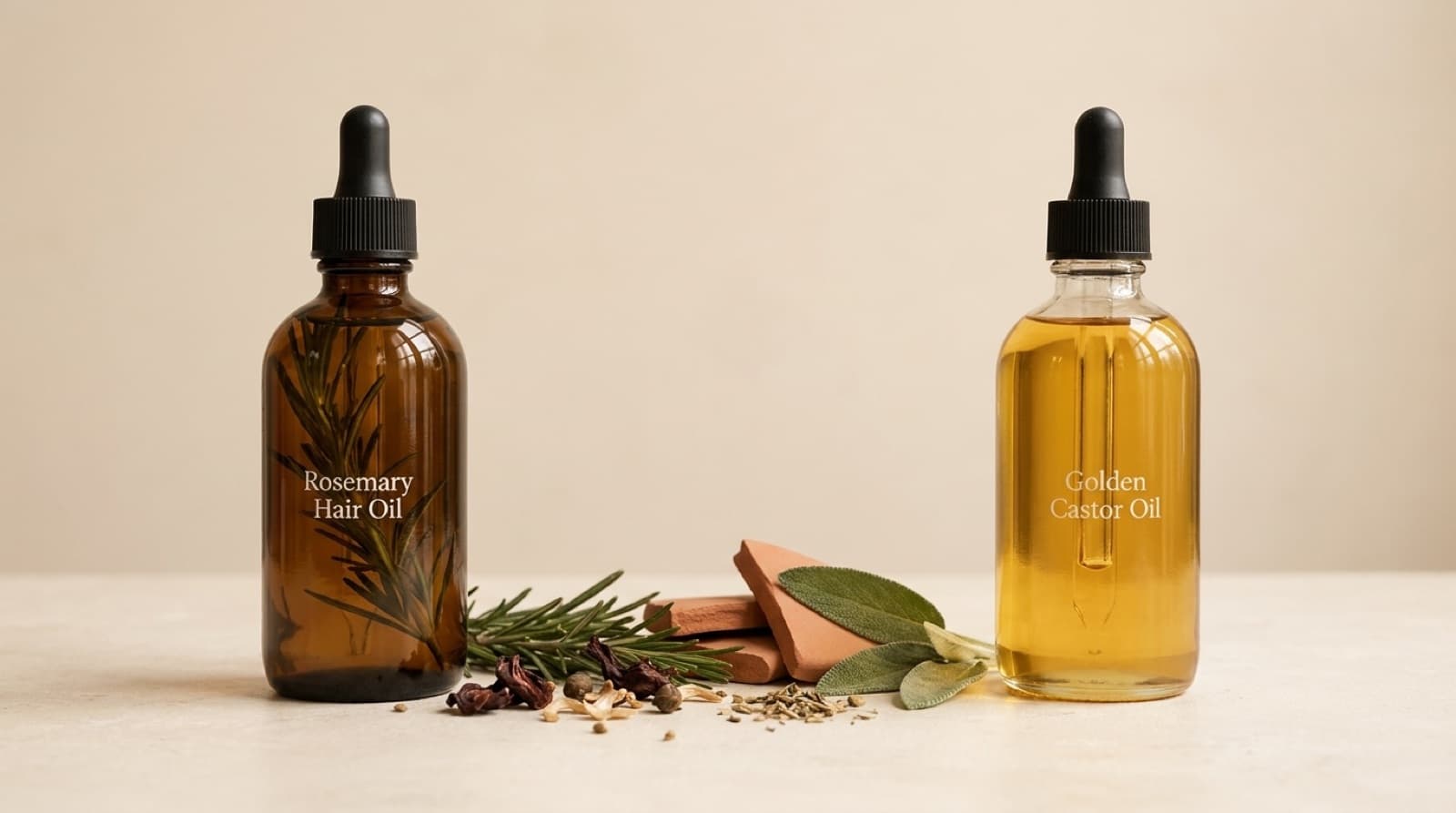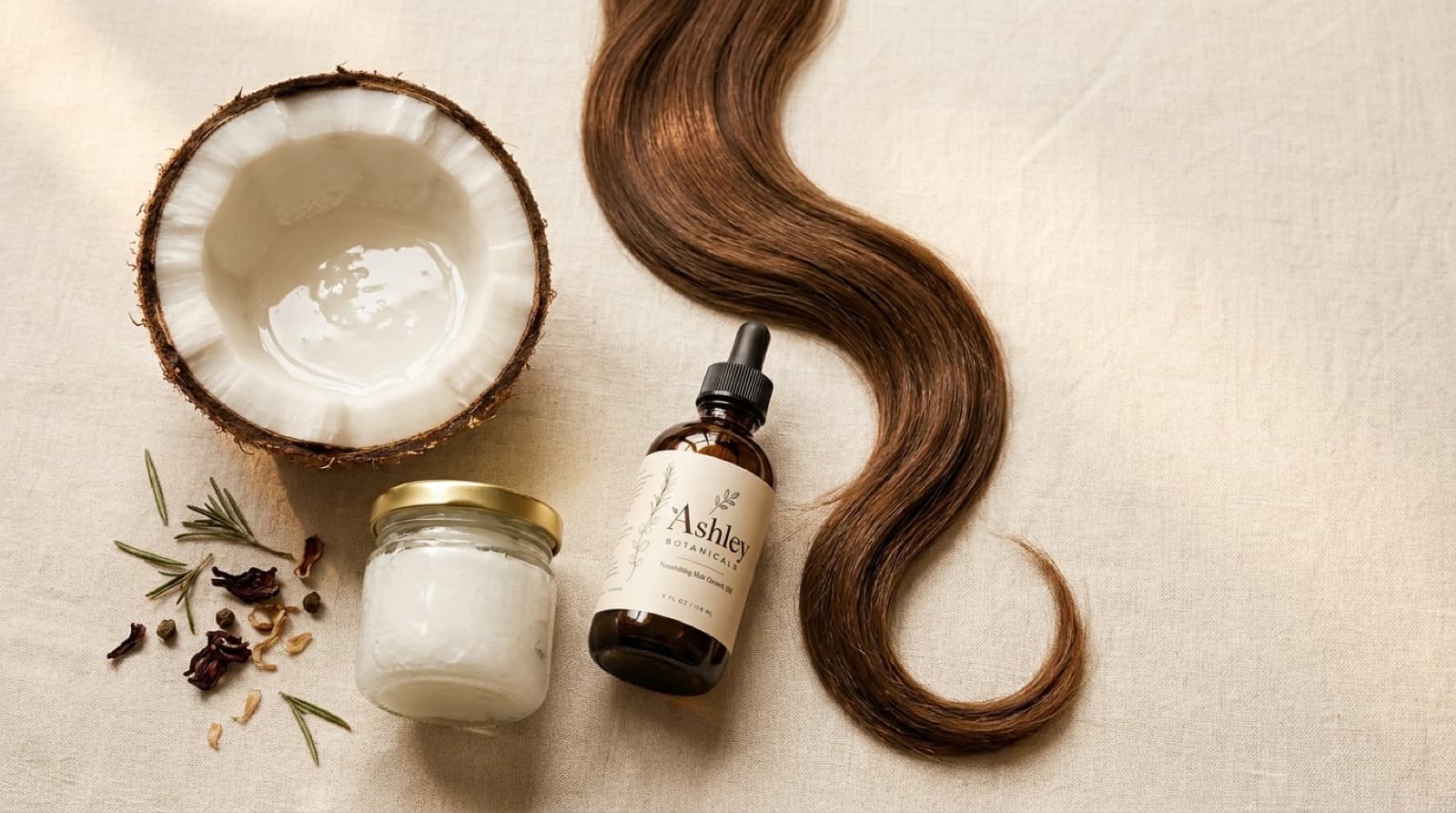
Castor oil has been passed down through grandmothers, beauty cabinets, and corner-shop apothecaries for generations, and it has quietly become one of the most searched-for ingredients in hair care. Thick, glossy, and unmistakably rich, it is the oil people reach for when their strands feel thin, their edges look sparse, or their hair has simply lost its shine. But with that popularity comes a lot of noise, and it can be hard to tell what castor oil actually does for your hair versus what the internet wishes it did.
At Ashley Botanicals, we make a handmade botanical hair oil where castor is one of several star ingredients, so we have spent a lot of time getting to know it intimately. This guide is the honest version: what castor oil for hair can genuinely help with, how to use it without ending up with a greasy mess, the difference with Jamaican black castor oil, and what a realistic before and after actually looks like.
Quick answer: Castor oil is a heavy, fatty-acid-rich oil that coats and conditions the hair shaft, helps strands look smoother and shinier, seals in moisture, and supports a comfortable, well-nourished-looking scalp. It does not grow new hair on its own, but as part of a consistent routine it can help your hair look fuller, healthier, and less prone to breakage. Because it is so thick, it works best blended with lighter oils rather than used alone.
What is castor oil, and why is it so popular for hair?
Castor oil is pressed from the seeds of the castor plant (Ricinus communis). What makes it stand out is its unusually high content of ricinoleic acid, a fatty acid that gives the oil its signature thick, almost syrupy texture. That density is exactly why people love it for hair: it clings to the strand, creating a smooth, conditioned, shiny coating that makes hair look healthier and feel softer to the touch.
It is important to be clear about the language here. Castor oil is a cosmetic ingredient that improves the look and feel of hair and the comfort of your scalp. It is not a medicine, and no oil can be honestly described as a hair-growth drug. What a good oil routine can do is create the conditions where your existing hair looks its best and is less likely to snap off before it has a chance to grow long.
Benefits of castor oil for hair
When people talk about the benefits of castor oil for hair, they are usually describing a handful of very tangible, appearance-based effects. Here is what castor oil is genuinely good at.
- Adds shine and gloss: the rich coating reflects light, so dull, tired hair looks noticeably glossier.
- Smooths and conditions: it softens the feel of the strand and helps tame frizz and flyaways.
- Seals in moisture: as a heavy occlusive oil, it locks hydration into the hair shaft after washing.
- Supports a comfortable scalp: massaged in, it leaves the scalp feeling nourished rather than tight or flaky.
- Helps reduce the look of breakage: better-conditioned, more flexible strands snap less, so hair can look fuller and longer over time.
- Helps thin ends and edges appear denser: by coating fine hairs, it can make sparse-looking areas look a little more present.
| What you'll hear online | The honest, cosmetic reality |
|---|---|
| "Castor oil regrows hair" | It cannot grow new hair, but it conditions and protects existing hair so it looks fuller and breaks less. |
| "It thickens your hair" | It coats each strand, so hair can look and feel thicker, especially fine or limp hair. |
| "It cures bald spots" | No oil is a treatment for hair loss. See a professional for medical concerns. |
| "Instant results overnight" | Shine and softness show fast; fuller-looking, less-breakage results take weeks of consistency. |
| "More is better" | Too much castor oil = greasy, weighed-down hair. A little goes a long way, especially when blended. |
Castor oil for hair growth: what's realistic
This is the search everyone wants answered, so let's be straight about it. Castor oil for hair growth works indirectly, not magically. Hair grows from the follicle, and how fast it grows is mostly down to genetics, health, hormones, and age, none of which an oil can rewrite. What castor oil can do is help the hair you already have stay on your head longer and look better while it does.
Length is really a tug-of-war between growth and breakage. If your ends are constantly splitting and snapping, your hair never seems to get longer even though it is technically growing. By keeping strands conditioned, flexible, and sealed against moisture loss, castor oil helps tip that balance, so over a few months your hair can look longer and fuller, not because it grew faster but because it stopped breaking off.
Castor oil doesn't make hair grow faster. It helps the hair you already have look fuller, shinier, and less broken, which is what most people actually mean when they say they want "growth."
Castor is also frequently paired with rosemary, another beloved botanical for the look of fuller hair. If you are weighing the two, we compare them directly in rosemary oil vs castor oil. The short version is that they do different jobs and play beautifully together.
Jamaican black castor oil vs. regular castor oil
If you have shopped for castor oil, you have seen two main types: regular (cold-pressed) castor oil and Jamaican black castor oil. They come from the same seed but are processed differently, and the difference is worth understanding before you buy.
| Type | How it's made | Color & feel | Best for |
|---|---|---|---|
| Cold-pressed castor oil | Seeds pressed without heat | Pale yellow, very thick, mild scent | All-purpose conditioning, sensitive scalps, blending |
| Jamaican black castor oil (JBCO) | Seeds roasted, then pressed; ash added | Dark brown, thick, smoky/toasted scent | Coarse, thick, or coily hair; edges and scalp massage |
| Hydrogenated castor ("castor wax") | Chemically processed into a solid | Solid, waxy | Cosmetic formulating only, not for direct hair use |
Jamaican black castor oil is roasted before pressing, and the resulting ash gives it that dark color and toasted aroma. Many people with thicker, coarser, or coily hair prefer JBCO because it feels a touch more clarifying on the scalp. For finer hair, regular cold-pressed castor oil is often the gentler, lighter-feeling choice. Neither is universally better; it depends on your hair, and either way the heaviness means you will get the best results blended.
How to use castor oil for hair
Here is where most people go wrong: they slather pure castor oil on, find it impossible to rinse out, and decide the oil "doesn't work." The trick is small amounts, the right method, and the right consistency. Below is a simple routine.
- Start small: warm 3 to 5 drops between your palms. You can always add more, but you cannot easily take it out.
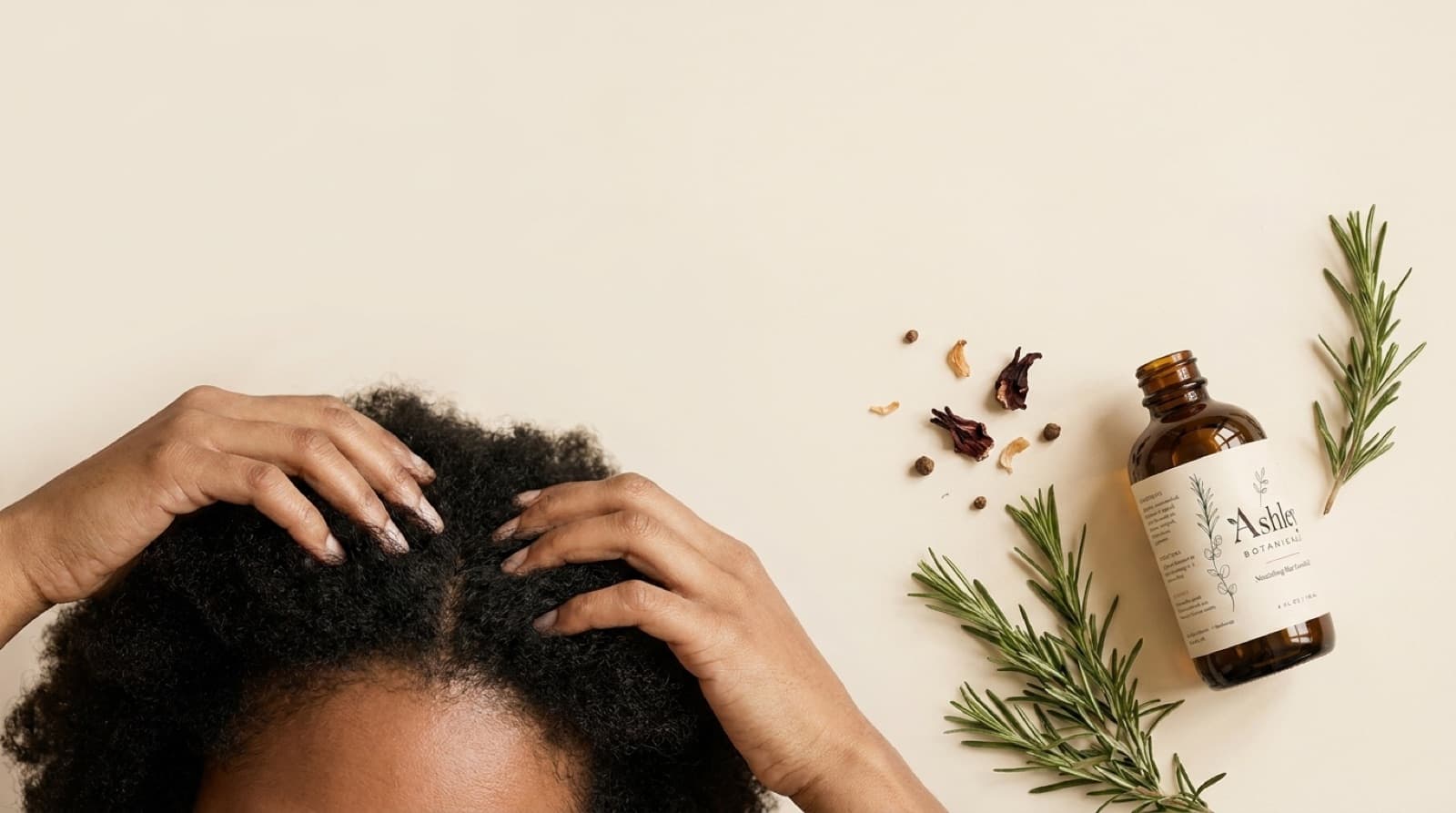
- Focus on the scalp: part your hair and massage the oil into your scalp with your fingertips for 3 to 5 minutes. The massage itself feels wonderful and helps distribution.
- Work down to the ends: lightly smooth whatever is left over your mid-lengths and ends, the parts most prone to breakage.
- Let it sit: leave it on for 30 minutes to a couple of hours, or overnight on a pillow you don't mind oiling (wrap your hair or use a silk cap).
- Wash thoroughly: because castor is heavy, you may need two gentle shampoo passes. Emulsify with a little water first, then add shampoo.
- Repeat 1 to 2 times a week: consistency over months is what creates the look of fuller, healthier hair.
| Hair type | Suggested frequency | Tip |
|---|---|---|
| Fine / oily | Once a week, scalp-light | Use very little; favor lighter blended oils to avoid limpness |
| Normal / medium | 1-2 times a week | Scalp massage plus ends; great balance of shine and care |
| Thick / coarse / coily | 2 times a week | JBCO works well; can be left in longer or overnight |
| Color-treated / dry | 1-2 times a week as a mask | Focus on ends to combat dryness and breakage |
If rosemary is also part of your routine, our companion guide on how to use rosemary oil for hair growth walks through massage timing and frequency in the same practical way.
Castor oil for hair before and after: setting expectations
Search "castor oil for hair before and after" and you'll find dramatic photos, some real, many heavily styled. Here is what an honest timeline tends to look like when you use castor oil consistently as part of a routine.
- First use: immediate shine, softness, and smoother flyaways. Hair simply looks healthier.
- Weeks 2 to 4: ends feel more conditioned, less crunchy, and breakage during brushing tends to ease up.
- Weeks 6 to 12: with regular use, hair often looks fuller and a bit longer, largely because it's holding length instead of snapping off.
- Beyond 3 months: the cumulative look of healthier, denser-appearing hair, especially around fragile edges and ends.
The biggest variable in any before and after is consistency. Oiling once and quitting won't do much. A gentle, repeatable routine over a couple of months is where the visible difference lives. For a broader look at which oils suit fragile or sparse hair, see the best oils for thinning hair.
Why castor oil works best in a blend
Here is the honest catch with castor oil: on its own, it is heavy. Used alone it can feel sticky, weigh hair down, and be a chore to rinse out, which is exactly why so many people give up on it. The fix isn't to abandon castor; it's to pair it with lighter, fast-absorbing oils that carry it into the hair and scalp without the greasy aftermath.
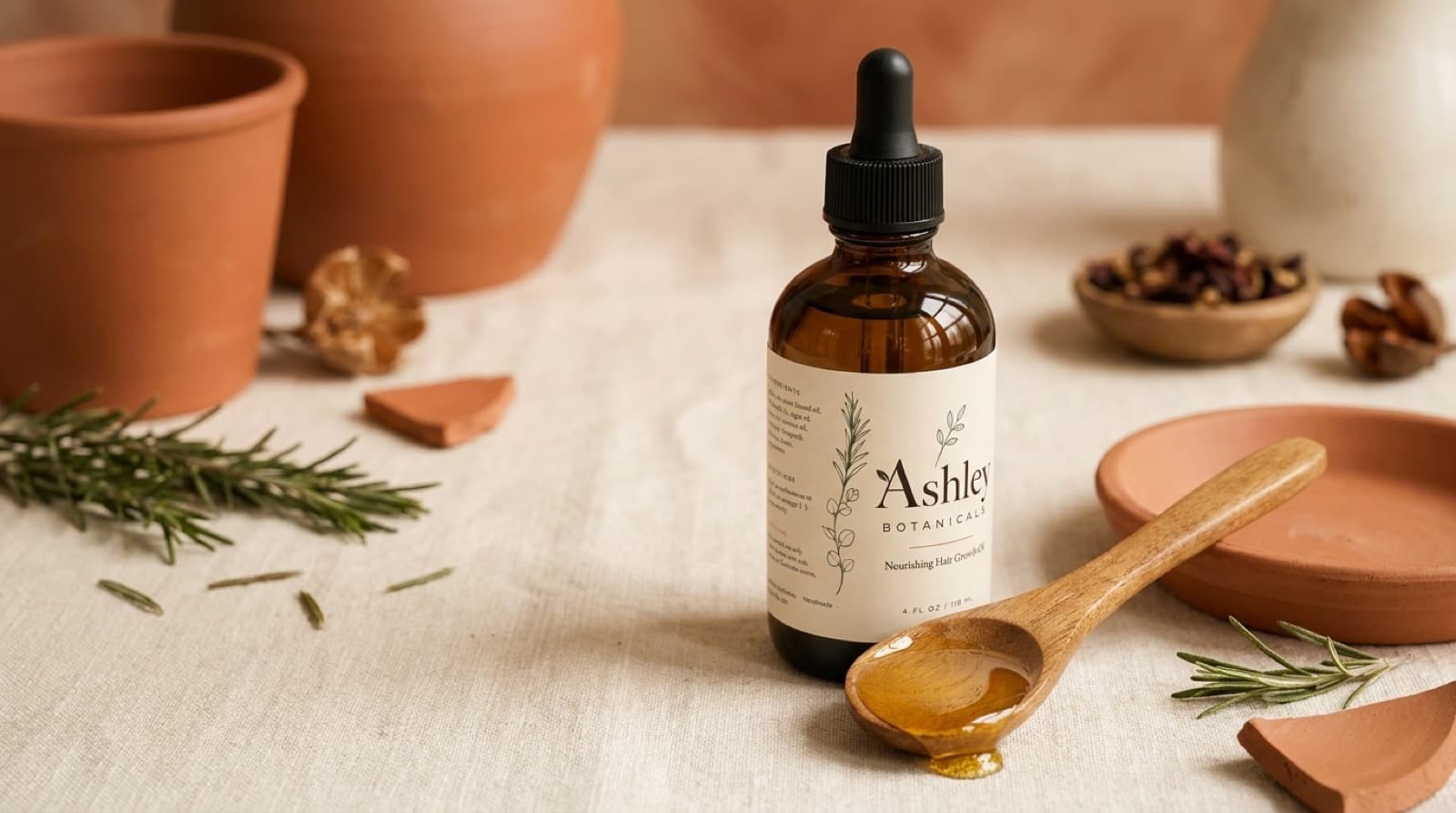
That's precisely how we formulate at Ashley Botanicals. Our handmade botanical hair oil ($24.99, 4 fl oz) blends castor with rosemary, black seed, fenugreek, argan, and hibiscus, so you get castor's conditioning and shine alongside the lightness of argan and the freshness of rosemary. The result feels nourishing rather than greasy, absorbs more comfortably, and turns the old slather-and-struggle routine into something you actually look forward to using.
If you've tried plain castor oil and found it too much, a thoughtfully balanced blend is the version of castor oil for hair most people were looking for all along.
For external use only. Avoid contact with eyes. Stop use if irritation occurs. Patch test before first use, and consult a healthcare professional about any medical hair or scalp concerns.